Dan Cooks

August 5, 2026

Tasteze Blog

Korean Beef Bulgogi With Sesame Vegetables: Fast, Glossy, and Built on Salt Timing

Soy, mirin, and brown sugar build a glaze that sticks to lean beef—but only if you salt it right. Here's how to nail the timing and get char instead of steam.

The smoke does its magic — you just have to be patient enough to let it.

Dan Cooks

Korean Beef Bulgogi With Sesame Vegetables: Fast, Glossy, and Built on Salt Timing

Soy, mirin, and brown sugar build a glaze that sticks to lean beef—but only if you salt it right. Here's how to nail the timing and get char instead of steam.

Grilling is how I show love. Through flavor, warmth, and time well spent.

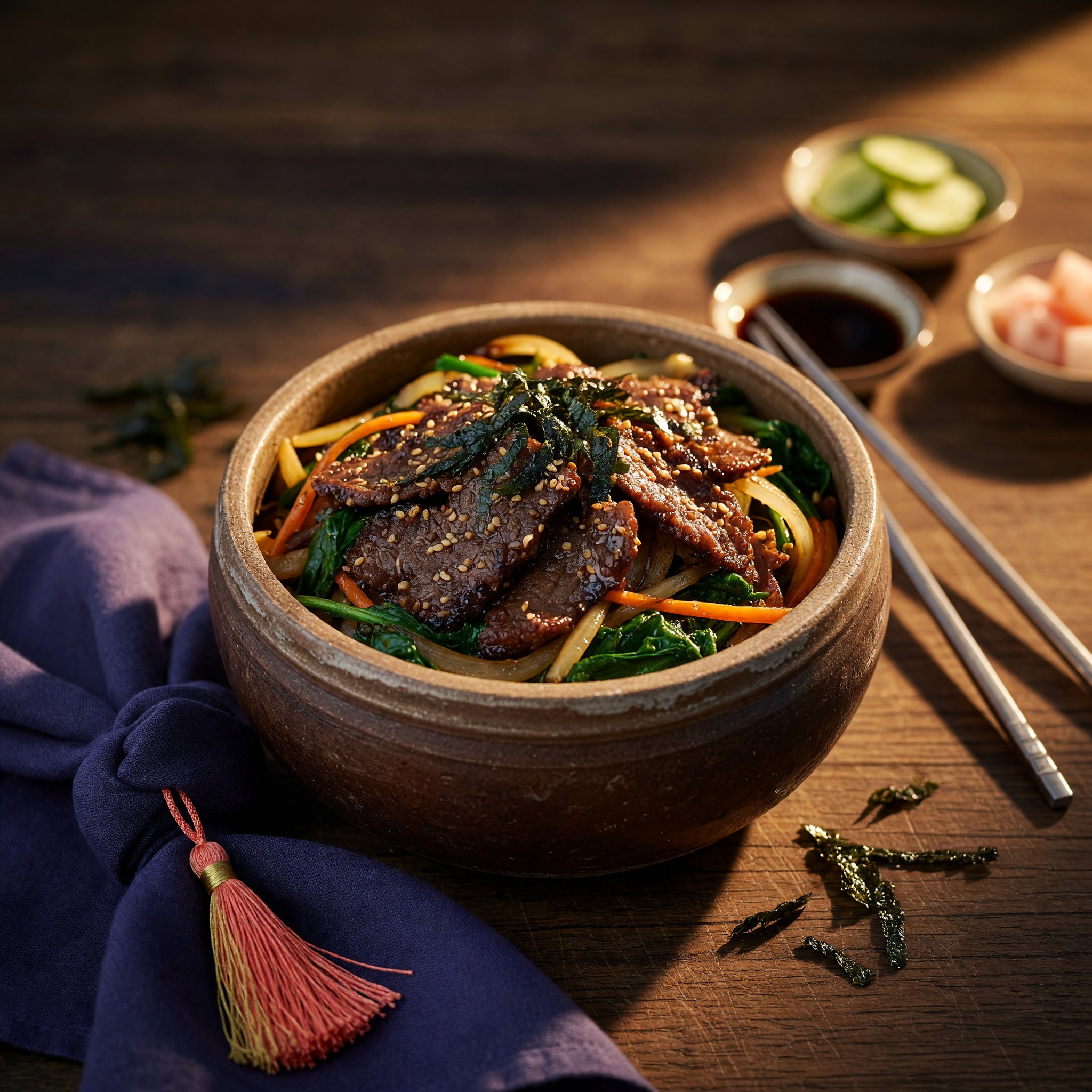
Bulgogi hits different when you understand what's happening in the pan. This isn't just marinated beef. It's a race between salt dissolving muscle fiber and the heat that locks in color and crust. Get the timing right, and you end up with meat that's tender all the way through and glazed like it was meant to be. Twenty-seven minutes, and you've got dinner that tastes like it took all afternoon.

Where This Comes From

Korean bulgogi is built on a principle I respect: let the marinade do the work so the fire doesn't have to. Soy sauce and mirin aren't just flavor, they're chemistry. The soy dissolves the muscle proteins, which means the beef holds onto its own moisture instead of drying out under high heat. Mirin brings sweetness that caramelizes on the surface, and brown sugar amplifies that Maillard reaction, the same browning that gives beef its savory depth. It's a technique that works because the ingredients understand each other.

How to Cook It

Freeze your beef for ten to fifteen minutes. This makes slicing thin and clean much easier. While it chills, whisk together soy sauce, mirin, sesame oil, minced garlic, minced ginger, and brown sugar. Once the sugar dissolves, you've got your glaze. Slice the cold beef thin against the grain, coat it in the marinade, and let it sit for five minutes. Heat your oil in a wok or cast iron skillet until it shimmers. High heat is your friend here. Add the beef and cook hard for two to three minutes, stirring often, until it's browned and cooked through. Transfer it to a plate. In the same hot pan, add your zucchini and bell pepper strips and stir-fry until they're tender-crisp and lightly charred. Return the beef, toss everything together for a minute, then serve over steamed rice with sesame seeds and scallions on top.

The Salt Timing Trap

Here's where most people slip up: salt the beef too early and it sits in a wet film that won't brown. Salt it forty minutes ahead and the protein has time to absorb the salt evenly. Salt it right before the pan hits the heat and you get the char you want. The window between five and thirty minutes? That's when the surface stays damp and steams instead of sears. If you're short on time, pat the beef dry before it hits the oil.

Page 1Continued

Dan Cooks

Blog print edition

This dish leans sweet and savory—the glaze does the work.

The roasted character bridges everything without needing fire.

  • sesame oil

What Goes Alongside

Steamed rice is the anchor here. It catches the glaze and gives the beef somewhere to rest. The zucchini and bell pepper aren't fighting for attention; they're there for texture and brightness. The sesame oil and soy sauce have already done the heavy lifting on flavor, so the vegetables stay fresh and crisp instead of getting lost. A cold glass of something clean (water, tea, or a light lager) cuts through the richness and lets you taste each component.

Hunt for quality here—the ingredients are few, so each one matters.

What to Buy and What to Look For

Hunt for a thin-cut sirloin steak you can actually slice against the grain, not a thick hunk that fights you. Toasted sesame oil is worth the extra dollar over light sesame oil. The roasted character is what makes this dish sing without needing more heat. Fresh garlic and ginger matter more here than anywhere else in the recipe. The soy sauce and mirin are pantry staples, so grab what's available and don't overthink it.

The Fast Version

If you're really pressed, skip the freezing step and ask your butcher to slice the beef thin for you. Buy pre-minced garlic and ginger from the produce section and stir them straight into your glaze. The marinade still only needs five minutes. You're not trying to cure the meat, just coat it. Everything else stays the same, and you cut ten minutes off the clock.

The One Thing That Matters Most

Don't crowd the pan. When you add the beef, let it sit for a beat before stirring. That's when the browning happens. If you're constantly moving it around, it steams instead of sears. The same goes for the vegetables. Give them a minute to caramelize before you stir.

How to Change It

Swap the beef for pork chops or pork loin and you've got a completely different meal that cooks just as fast. The glaze works just as well. If you want to lean into the vegetable side, add mushrooms, snap peas, or bok choy to the pan. In the winter, roasted root vegetables (carrots, parsnips) take the place of the zucchini and pepper and soak up the glaze beautifully.

Page 2Continued

Dan Cooks

Closing page

The techniques I lean on every time I fire up the grill or heat the pan.

Signature moves

How Dan Cooks cooks

  • Steak
  • BBQ
  • Low and Slow
  • Poolside Grilling

Where this recipe lives in my kitchen.

In the kitchen

Kitchen
Home kitchen
Teachers
  • Hellon (Grandmother)
  • Barbara (Mother)
  • Bermon (Father)
Weekly rituals
  • Taco Tuesday

Patience in the kitchen—whether it's smoke or salt—changes everything.

From Dan Cooks's About

Low, Slow, and Deliberate — That's the Only Way

There's no shortcut to good smoke. Daniel knows this the way you know the sound of a fire that's just right — a low, steady crackle, not a roar. His approach is unhurried.

balanced

Strong protein, plenty of fat, and a load of salt from the glaze.

What This Meal Brings to the Table

This dish runs rich with plenty of protein to keep you full, but it's also high on salt and saturated fat. It's a special meal, not an everyday one. The beef and vegetables give you real nutrition, but the soy sauce and mirin pack sodium like they mean it. Pair it with something fresh and bright on the side. A simple salad or some pickled vegetables will balance the plate.

balanced

Where the nutrition comes from.

  • Per serving

Questions from the kitchen

Can I make this ahead?
The beef can marinate for up to 4 hours in the fridge, but don't go longer—the salt will start to break down the meat too much. Cook it fresh when you're ready to eat.
What if I don't have a wok?
A large cast iron skillet works just as well. You need high heat and room to move the beef around without crowding it.
Can I use frozen beef?
Yes, but thaw it completely first. Frozen beef won't slice cleanly against the grain, and it won't cook evenly in the pan.
How do I know when the beef is done?
Lean sirloin cooks fast—2 to 3 minutes over high heat is usually enough. It should be browned on the outside and cooked through, not pink inside.
Is this dish spicy?
Not at all. The ginger adds warmth but no heat. If you want spice, add a pinch of red pepper flakes or a dash of hot sauce at the table.
Can I double this recipe?
Yes, but don't crowd the pan. Cook the beef in two batches so it browns instead of steams. The vegetables and glaze scale up fine.

Twenty-seven minutes and you've got a meal that tastes like it took hours. The glaze is glossy, the beef is tender, and the rice catches every drop. This is the kind of food that brings people to the table. It's honest. It tastes like someone cared. Fire up something good.