Dan Cooks

March 27, 2026

Tasteze Blog

Yakitori: The Japanese Skewer That Lives or Dies on Your Tare

Juicy chicken thighs, a lacquered soy-mirin glaze, and a hot grill — this is Japanese street food made for a Southern backyard, and the technique is everything.

The tare is the soul of this dish. Get that glaze right and the fire does the rest.

Dan Cooks

Yakitori: The Japanese Skewer That Lives or Dies on Your Tare

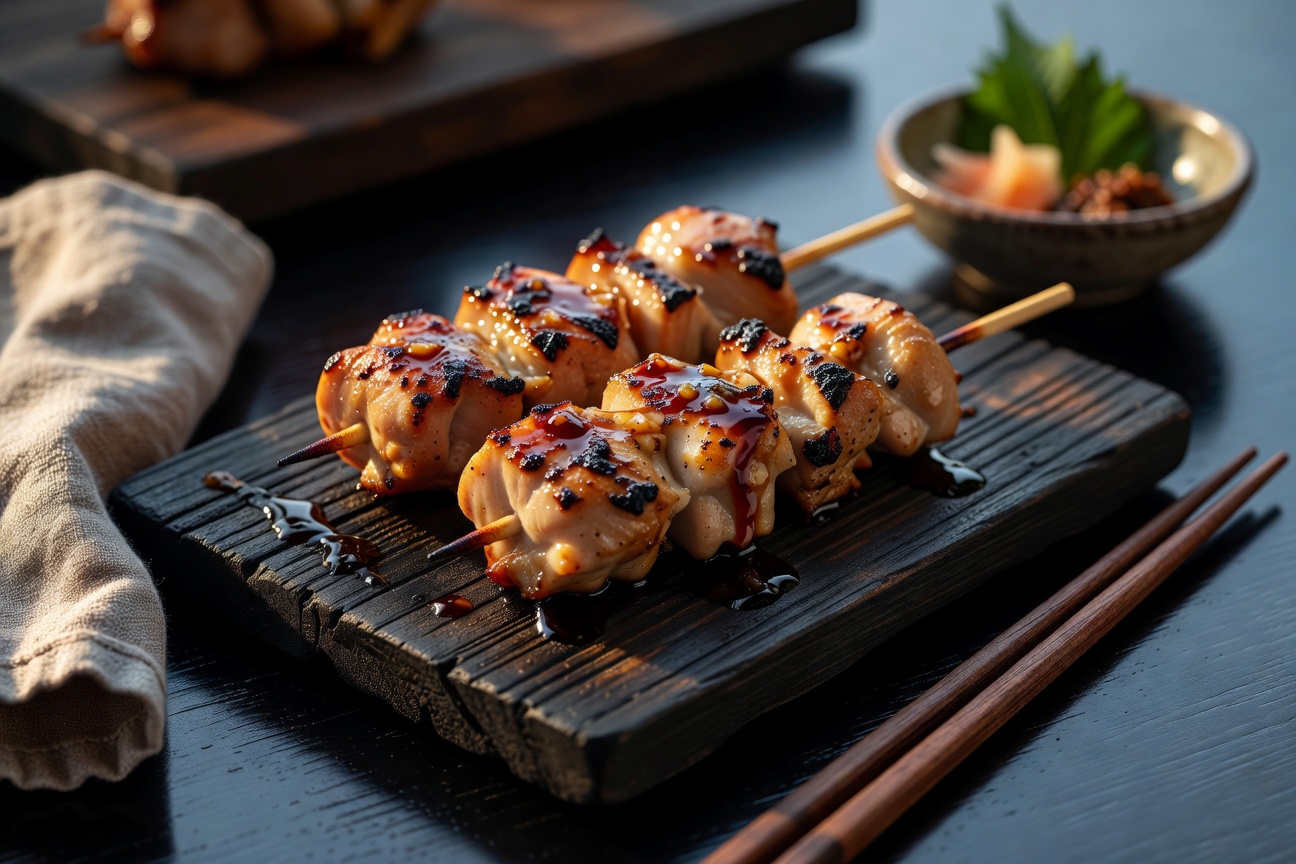
Juicy chicken thighs, a lacquered soy-mirin glaze, and a hot grill — this is Japanese street food made for a Southern backyard, and the technique is everything.

I'll be honest with you — the first time I made yakitori, I treated it like any other chicken skewer. Seasoned it, threw it on the grill, brushed some sauce on at the end, called it done. It was fine. But fine isn't what you're going for when you've got your family gathered around the fire on a warm Tampa evening. So I went back, slowed down, and learned what this dish is actually asking for. Turns out yakitori isn't complicated — but it is deliberate. The tare sauce, that savory-sweet glaze of soy, mirin, and sake, is the whole story. Build it right, apply it in layers over the fire, and you get something that tastes like it came off a Tokyo street cart. Rush it, and you've got sticky chicken. The difference is patience — and that's something the South taught me a long time ago.

Why Chicken Thighs, Every Time

My grandmother Hellon never used the lean cut when the rich one would do the job better. That lesson applies here. Chicken thighs have the fat content to survive high heat and repeated basting without drying out — breast meat just can't say the same. On a hot grill with three passes of a sugary glaze, thighs stay juicy where breasts turn to chalk. Skin-on, bone-out is the sweet spot: you get the best fat rendering and the skewer stays in control. This isn't a shortcut — it's the right call.

Page 1Continued

Dan Cooks

Blog print edition

Glazing in Layers: The Move That Makes the Dish

Here's where most home cooks lose the plot: they wait until the chicken is almost done, then dump a heavy coat of tare on and hope for the best. What you get is a steamed, soggy surface that never caramelizes properly. The right move is to glaze in two or three thin passes during the final two minutes of cooking, letting each coat set and tighten over the fire before adding the next. That's how you build the lacquer — that deep, glossy, slightly charred shell that makes yakitori look and taste the way it should. One heavy application and you've lost the char. Patience on the brush is the whole technique.

The Tare Sauce: Reduce It Until It Coats a Spoon

Mirin brings real sugar to this sauce — and if you don't cook it down long enough, that sugar stays thin and will burn on the grill before your chicken is cooked through. Give the tare a proper 8 to 12 minutes over medium heat, stirring occasionally, until it coats the back of a spoon and holds a line when you drag your finger through it. That's your signal. Also: use a real brewed mirin — hon-mirin, not mirin-style seasoning. The sugar content and the way it reduces are genuinely different, and it shows in the final glaze.

Pairing These Skewers

Yakitori is savory-forward and rich from the thigh meat, so it wants something bright and fresh alongside it. A simple cucumber salad with rice vinegar and a little sesame oil is the classic move — the cool crunch cuts right through the glaze. Steamed rice soaks up any extra tare beautifully. If you're serving these as an appetizer before something bigger, a cold Sapporo or a dry sake alongside keeps the Japanese thread running. And if you want to lean into the Southern backyard angle, grilled corn brushed with a little soy butter is a genuinely great call — the char on the corn echoes the char on the chicken.

Page 2Continued

Dan Cooks

Closing page

Chicken thighs are the anchor here — see what plays well with them in this dish.

  • chicken

Honest Look at the Nutrition

These skewers are protein-forward in a serious way — a serving covers well over a day's worth of protein, which makes them genuinely filling. The trade-off is the tare sauce, which carries a significant amount of sugar from the mirin and a fair amount of sodium from the soy. This is a dish built around a glaze, so that's the nature of it. If you're watching sugar, you can reduce the mirin slightly and pull the sauce off the heat a little earlier, which keeps it functional without going overboard. Round out the plate with a fresh vegetable side — cucumber, quick-pickled cabbage, or even just some sliced tomatoes — because this recipe on its own is all protein and sauce, no produce.

Yakitori is one of those dishes that rewards you for slowing down — for taking the time to reduce the sauce properly, salt the chicken early, and glaze with a patient hand. It's not hard. It just asks you to be present at the fire, which is exactly where I want to be anyway. Make this one for the family on a weeknight when you want something a little different, or set up a skewer station at your next backyard cookout and watch people come back for seconds. Fire up something good today.