The Cornbread That Changed My Mind — Soft, Buttery, and Crunchy at the Edges
A Southern-style cornbread built on buttermilk, brown sugar, and a double shot of leavening — the kind of side dish that disappears before the main course hits the table.
 Dan Cooks5 min readPrint this post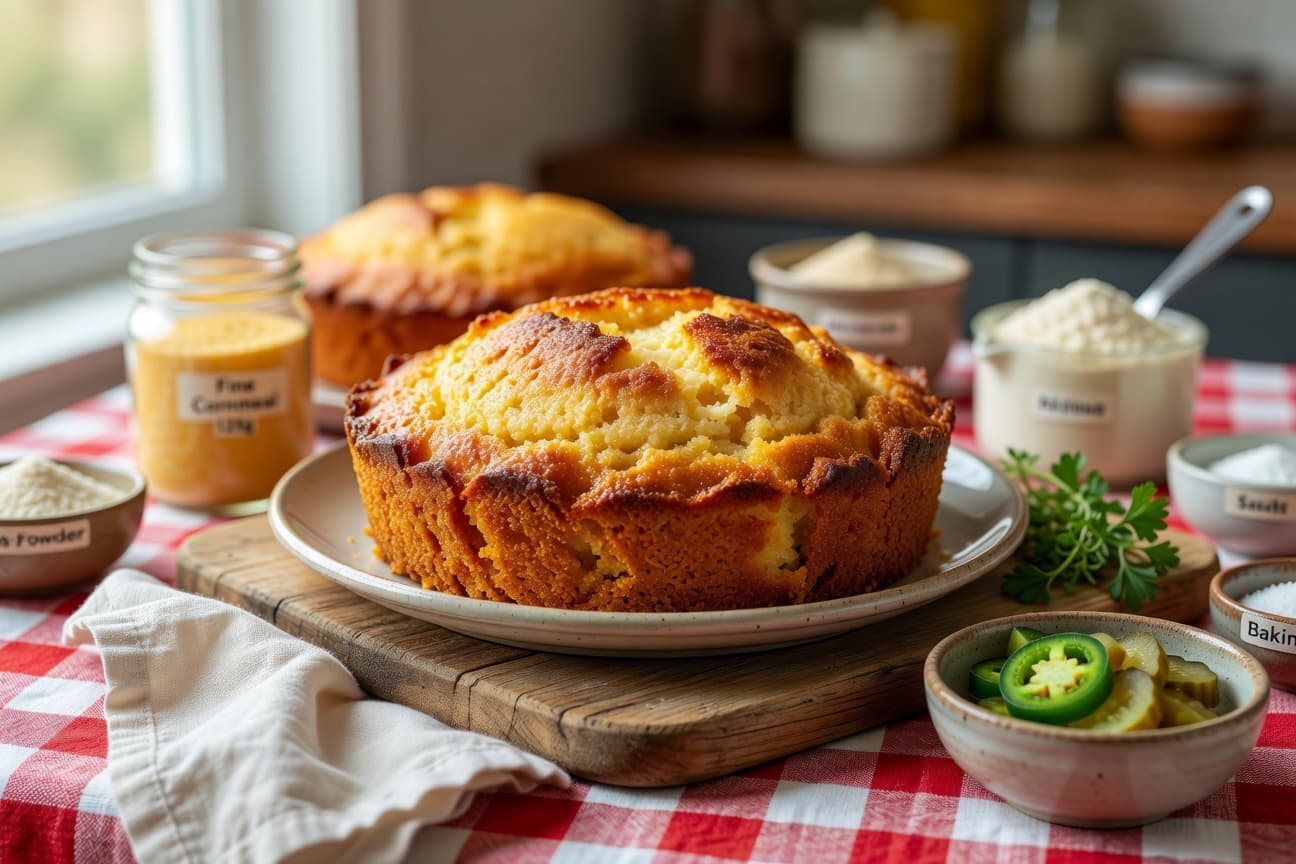
The best meals aren't measured by perfection — they're measured by the memories made around the table.
I'll be honest with you — cornbread and I didn't always get along. Too dry, too crumbly, or so sweet it tasted like dessert pretending to be a side. But once I started cooking it the way my family actually wanted to eat it, everything changed. This recipe is the one I keep coming back to: soft and moist through the middle, with those crispy edges that make you reach for a second piece before the first one's gone. It's the kind of thing I set on the table next to a pot of chili or a rack of ribs, and it never lasts long. Good cornbread isn't complicated — but it does ask you to respect a few rules. Get those right, and the oven does the rest.
Why This Batter Works
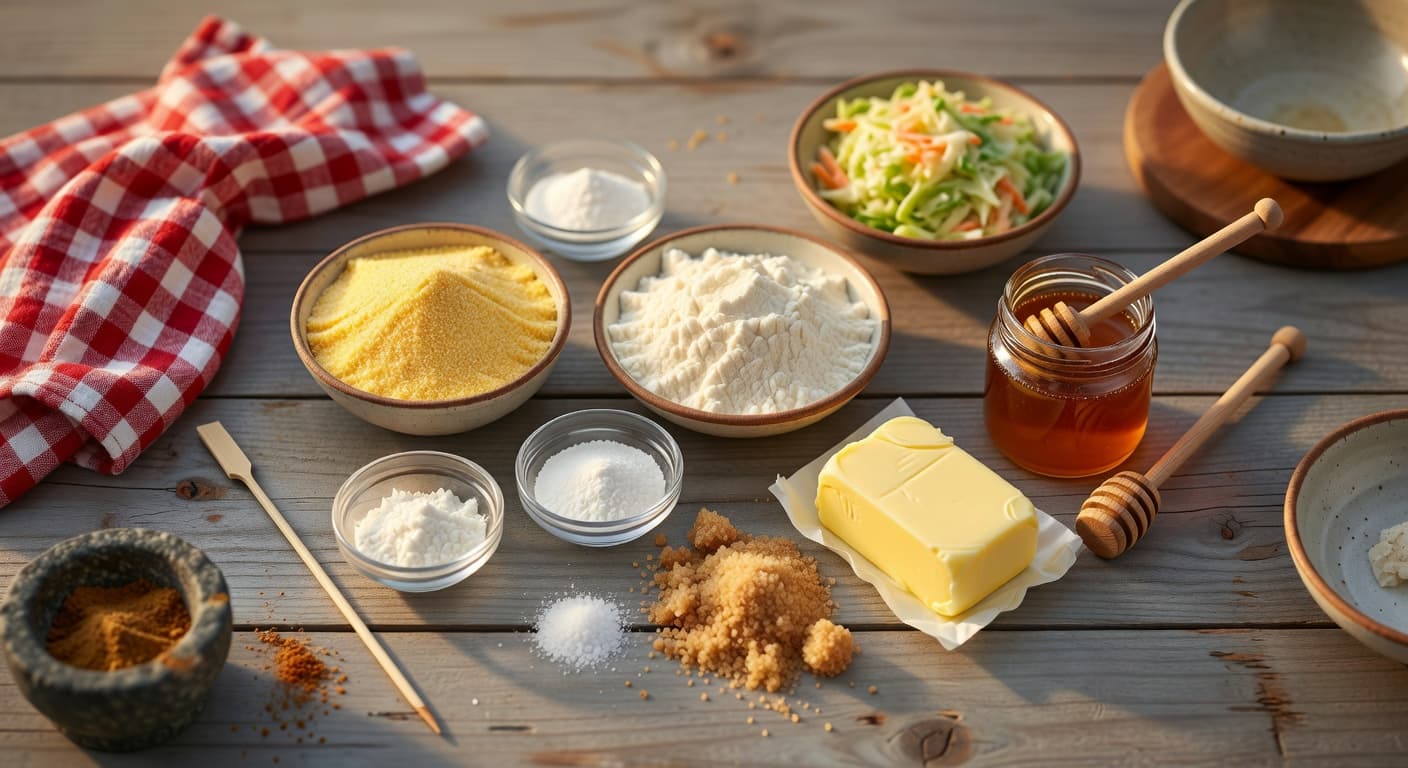
The secret to this cornbread isn't any single ingredient — it's the way they talk to each other. Buttermilk brings a gentle tang and, more importantly, it wakes up the baking soda the moment they meet. That reaction is what gives you lift. Brown sugar and honey pull double duty: they sweeten the crumb and they're the reason those edges go deep golden in a hot oven. Butter ties it all together — rich, a little nutty, and responsible for that moist texture that holds up even the next day. This is a sweeter-style cornbread, closer to what you'd find up North than the strictly savory versions my grandmother made. I've made peace with that. My kids haven't complained once.
The Rules of the Mix
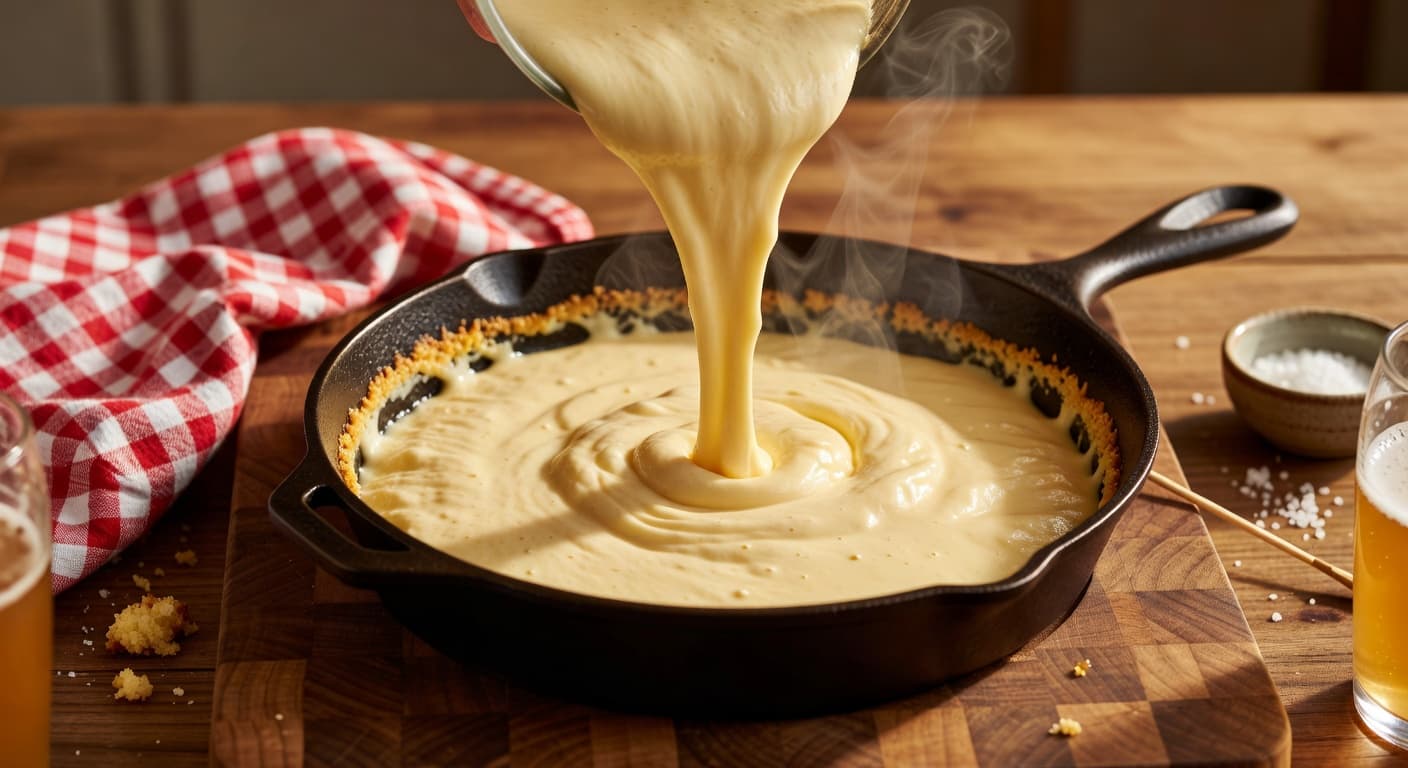
Two things will make or break this cornbread, and both happen at the mixing stage. First: let your melted butter cool down before it touches the egg. Hot fat scrambles eggs — even slightly — and you'll end up with a grainy batter instead of a smooth one. Give it five minutes on the counter after melting. Second, and this one matters just as much: stop mixing the moment the dry streaks disappear. Cornmeal has no gluten, but the all-purpose flour does, and every extra stroke you take builds more structure in the batter. More structure means a tougher crumb. Lumps are fine. Lumps bake out. What doesn't bake out is an overmixed batter. Once the wet and dry ingredients come together, pour immediately into your prepared pan and get it into that hot oven. The leavening reaction starts the second buttermilk hits baking soda — don't let those bubbles go to waste sitting on the counter.
What to Serve It With
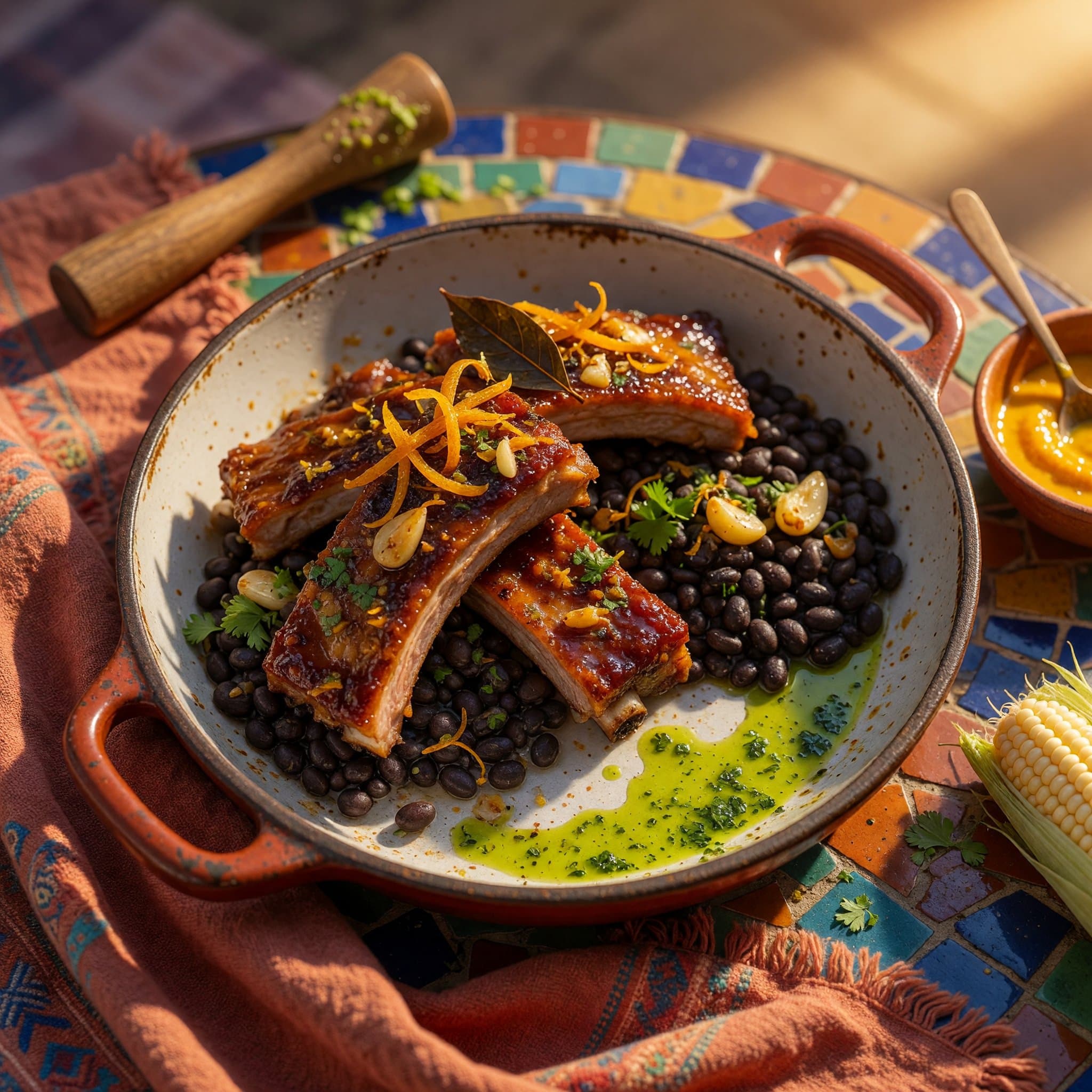
Cornbread is one of those sides that earns its place at the table by being the thing everyone grabs first. At my house, it goes next to slow-smoked ribs or a big pot of chili — the sweetness plays off the smoke and heat in a way that just works. A pat of cold butter melting into a warm slice is hard to beat. Honey on top doubles down on that floral sweetness and echoes what's already baked into the crumb. If you want to balance things out and cut through the richness, a spoonful of pepper jelly or a tangy jam does the job beautifully. This cornbread also holds up well alongside grilled chicken or pulled pork — anywhere you want something soft and slightly sweet to round out bold, smoky flavors.
Substitutions that still taste like the recipe.
Don't have everything on hand? These swaps keep the spirit of the recipe intact — a few will shift the flavor slightly, but nothing that'll disappoint.
- sour cream
Shares acid compounds with buttermilk
- creme fraiche↑ fatty
Shares lactone compounds with buttermilk — more fatty
- yogurt
Shares acid compounds with buttermilk
- clotted cream
Shares lactone compounds with butter
- cream
Shares lactone compounds with butter
- ghee
Shares lactone compounds with butter
- jaggery
Shares ketone compounds with brown sugar
- date syrup
Shares maillard compounds with brown sugar
- molasses↓ sweet
Shares maillard compounds with brown sugar — less sweet
- agave nectar
Shares fruity ester compounds with honey
- sugar
Shares fruity ester compounds with honey
- date syrup
Similar sweetener — neutral swap
- paneer
Shares lactone compounds with egg
- tofu
Shares pyrazine compounds with egg
- tempeh
Shares pyrazine compounds with egg
A Honest Look at the Nutrition
This cornbread is a treat — and it's worth knowing what you're working with. The added sugar from brown sugar and honey is real and significant, so if you're watching sweetness for the family, you can pull back on the honey or swap the brown sugar for a smaller amount of jaggery, which has a deeper flavor at lower quantities. On the upside, this recipe is genuinely strong on whole grains and dairy — the cornmeal and buttermilk are doing good work there. It's a side dish, not a health food, but it's made from real ingredients you can name. Pair it with something vegetable-forward — a slaw, roasted greens, or a fresh salad — and you've got a balanced plate.
Cornbread is one of those recipes that feels simple right up until you taste a really good one — and then you realize there's a difference. This version hits the marks that matter to me: moist crumb, golden crust, enough sweetness to make my kids happy, and enough substance to hold its own next to whatever's coming off the grill. Make it once and you'll have it memorized. Fire up something good today.
The Quarterly
Get the next Quarterly from Dan Cooks
Seasonal recipes, notes, and the issue links worth saving.
Comments